|
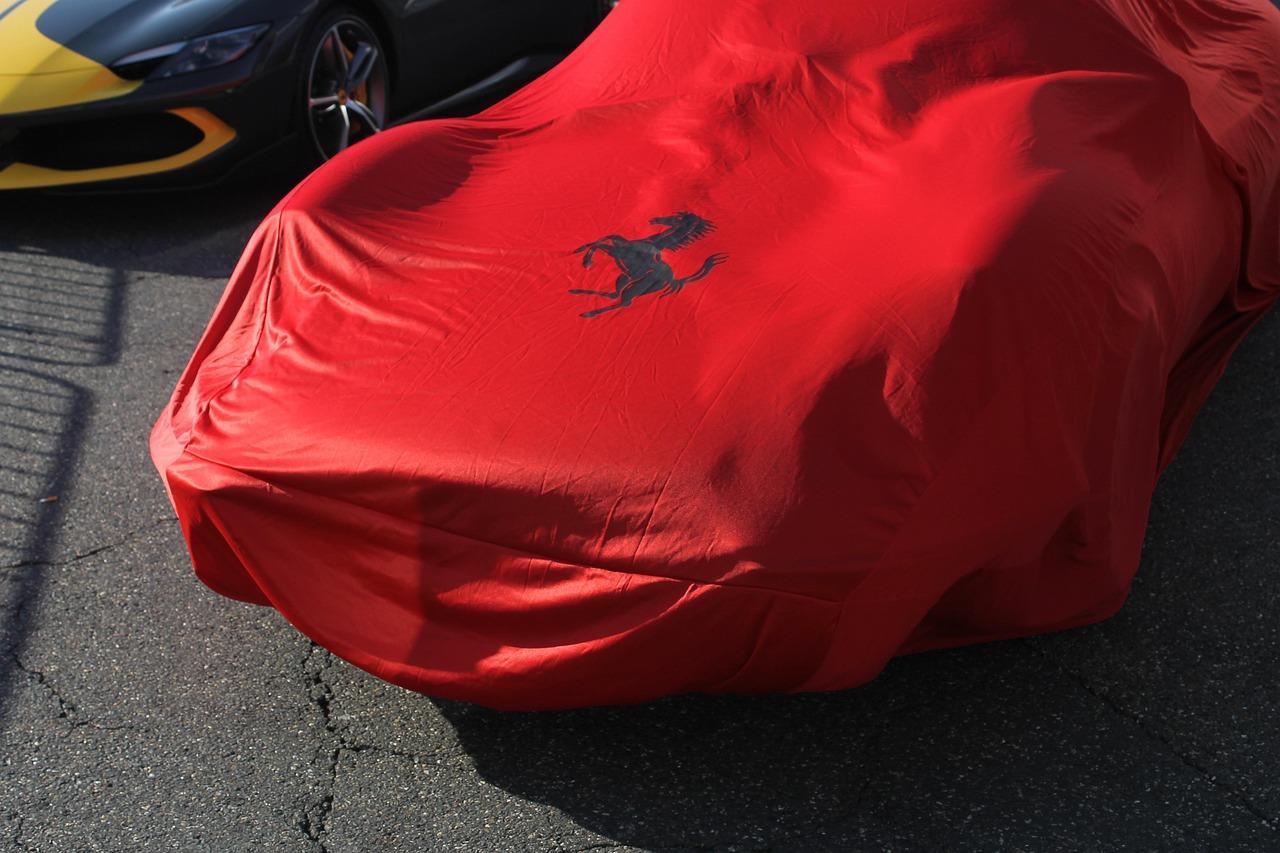
Keeping a car looking freshly detailed is hard when it spends hours parked. Dust settles, UV slowly fades plastics, rain leaves spots, and wind can push grit against paintwork. A car cover helps, but the real difference comes from choosing the right type and a fit that stays stable. This guide explains what to look for in a custom car cover, how to choose an indoor car cover or outdoor car cover, and how to avoid the mistakes that can cause scuffs. Why a tailor-made custom car cover fits betterA universal cover is designed to fit many shapes, so it often sits loose. That extra fabric can move in the wind and rub dirt across the surface. Over time, that friction can create swirl marks. A tailor-made cover is cut for a specific make and model. It hugs the bodywork more closely, reduces movement, and is easier to position. Practical signs of a good fit include: – Mirror and bumper areas are properly shaped, not stretched – The hem sits evenly around the bottom edge – There is minimal bagging on the roof and bonnet Indoor car cover and outdoor car cover optionsIndoor car cover basicsAn indoor car cover is built for garages and storage units. The main job is dust control and light contact protection. A soft inner lining helps reduce micro-marring, while breathable fabric lets moisture escape when temperatures change overnight. Outdoor car cover basicsAn outdoor car cover needs to handle UV, rain, sap, and pollution. Water resistance is useful, but breathability is just as important in UK weather. If a cover traps moisture, condensation can form underneath and leave marks on paint or glass. Half covers for quick daily useHalf covers protect the windscreen, roof, and windows. They are popular for daily drivers because they go on quickly and help with frost, leaves, and bird mess. A simple checklist before you buyBefore you order, run through these questions: 1. Where do you park most often garage, driveway, carport, or street 2. What is the main threat dust, UV, rain, sap, frost, or knocks 3. How often will you remove it daily use usually needs lighter materials 4. Do you need extra security in wind look for straps or a snug elastic hem 5. Will the car be stored for weeks prioritise breathable fabrics If you want to compare tailor-made options by make and model, with personalisation choices and fast delivery, browse Shop For Covers. Mistakes that reduce protectionMost cover problems come from how the cover is used, not the cover itself. – Put the cover on only when the car is clean, otherwise trapped grit can mark paint – Avoid covering a wet car, as moisture can be sealed in and lead to spotting – Do not size up to be safe, because loose fabric moves and rubs – Store the cover clean and dry, so debris does not transfer back onto the car Final takeawayA custom car cover is a small upgrade that can make car care easier. Choose indoor or outdoor protection based on where you park, prioritise breathability for longer storage, and focus on a stable, model-specific fit. With a clean, dry routine and the right material, you will keep paintwork and trim in better condition for longer. |